函数防抖
n秒内只要你触发事件 就重新计时 事件处理函数的程序将永远不能被执行
fn 需要防抖的函数
time 防抖的事件
triggleNode 是否第一次触发 (布尔值)
      function debounce(fn, time, triggleNow) {
        var t = null,
          res;
        var debounced = function () {
          var _self = this,
            args = arguments;
          if (t) {
            clearTimeout(t);
          }
          if (triggleNow) {
            var exec = !t;
            t = setTimeout(function () {
              t = null;
            }, time);
            if (exec) {
              res = fn.apply(_self, args);
            }
          } else {
            t = setTimeout(function () {
              res = fn.apply(_self, args);
            }, time);
          }
          return res;
        };
        debounced.remove = function () {
          clearTimeout(t);
          t = null;
        };
        return debounced;
      }
函数节流
事件被触发 n秒内只执行一次事件处理函数
fn 要节流的函数
delay 节流的时间
      function throttle(fn, delay) {
        var t = null,
          begin = new Date().getTime();
        return function () {
          var _self = this,
            args = arguments,
            cur = new Date().getTime();
          clearTimeout(t);
          if (cur - begin >= delay) {
            fn.apply(_self, args);
            begin = cur;
          } else {
            t = setTimeout(function () {
              fn.apply(_self, args);
            }, delay);
          }
        };
      }
偏函数
函数的元 -> 参数的个数
有两个参数的函数 -> 二元函数
在计算机科学中 偏函数叫做部分应用 局部应用 指固定一个函数的一些参数 然后产生另一个更小元的函数
函数柯里化与偏函数的区别
函数柯里化是想要一下四种情况 柯里化希望将一个多参数的函数转换成多个单参数的函数 将n元函数转换成n个一元函数
偏函数是先传一部分参数 返回一个新函数最后把参数凑齐 希望固定一个函数的一个或多个参数 将n元函数转换成n-x元的函数
      function add(a, b, c) {
        return a + b;
      }
      //函数柯里化
      var newFn = curry(add);
      newFn(1)(2)(3);//最期望这种形式
      newFn(1, 2, 3);
      newFn(1, (2, 3));
      newFn(1, 2)(3);

      //偏函数
      var newAdd = partial(add, 1);
      newAdd(2, 3);
封装偏函数
      Function.prototype.partial = function () {
        var _self = this,
          _args = [].slice.call(arguments);
        return function () {
          var newArgs = _args.concat([].slice.call(arguments));
          return _self.apply(null, newArgs);
        };
      };
偏函数案例
      Function.prototype.partial = function () {
        var _self = this,
          _args = [].slice.call(arguments);
        return function () {
          var newArgs = _args.concat([].slice.call(arguments));
          return _self.apply(null, newArgs);
        };
      };
      function formatSentence(time, opt) {
        return time + ' ' + opt.user_class + ' ' + opt.name + ':' + opt.sentence;
      }
      var outPutSentence = formatSentence.partial(
        new Date().getHours() + ':' + new Date().getMinutes()
      );
      console.log(
        outPutSentence({
          user_class: '骑士',
          name: 'james',
          sentence: '小皇帝',
        })
      );

惰性函数
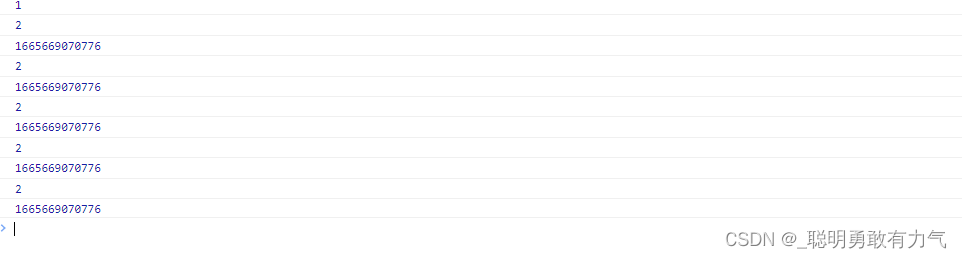
函数内部改变自身
惰性加载表示函数执行的分支只会在函数第一次调用的时候执行 在第一次调用的过程中 该函数被覆盖为另一个按照合适的方式执行的函数 这样任何对原函数的调用就不用再经过执行的分支了
      var getTimeStamp = function () {
        var timeStamp = new Date().getTime();
        console.log(1);
        getTimeStamp = function () {
          console.log(2);
          return timeStamp;
        };
        return getTimeStamp();
      };
      console.log(getTimeStamp());
      console.log(getTimeStamp());
      console.log(getTimeStamp());
      console.log(getTimeStamp());
      console.log(getTimeStamp());
使用惰性函数封装事件监控函数
      function addEvent(el, type, fn, capture) {
        if (el.addEventListener) {
          addEvent = function (el, type, fn, capture) {
            el.addEventListener(type, fn, capture);
          };
        } else if (el.attachEvent) {
          addEvent = function (el, type, fn) {
            el.attachEvent('on' + type, function () {
              fn.call(el);
            });
          };
        } else {
          addEvent = function (el, type, fn) {
            el['on' + type] = fn;
          };
        }
        addEvent(el, type, fn, capture);
      }